
EMDR Therapy for Trauma
Understanding EMDR Therapy for with Marci Wise
What is EMDR?
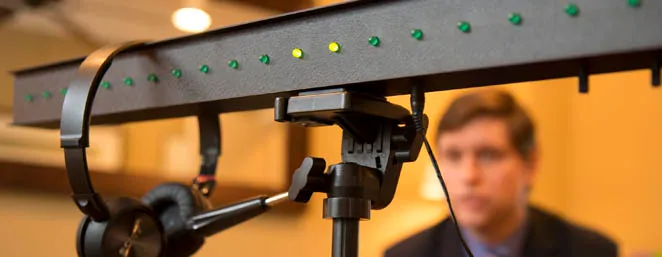
EMDR stands for Eye Movement Desensitization and Reprocessing. It is a simple, efficient form of therapy – involving the use of eye movements, tapping, or auditory tones – to accelerate the brain’s capacity to process and heal a troubling memory, thought, feeling, phobia, etc. After processing, the memory is remembered, but the painful emotions and physical sensations/disturbing images/thoughts are no longer present.
Key Benefits:
- Relief or positive effects can be experienced in just a few sessions.
- Alleviates trauma-related symptoms, whether the traumatic event occurred many years ago or yesterday.
- Often yields desired results with little talking.
- EMDR is a drug-free therapy.
- Does not require “homework” in between sessions.
- Helps you break free from being “stuck” in unhealthy life patterns.

Scientific research has established EMDR as effective for the treatment of post-traumatic stress, phobias, panic attacks, anxiety and depressive disorders, sexual and physical abuse, disturbing memories, complicated grief, and chronic pain. At Wise Counseling, we also incorporate EMDR into couples counseling, when necessary, to address underlying attachment issues.
EMDR Q&A:
Is it necessary to tell my therapist all the details about my problems in order for it to be processed?
No, it is not necessary to talk about all the details of your experiences for them to be processed.
Will I get emotional?
Yes, you may. Emotions and sensations may come up during processing; although, you will be prepared and our therapist will help you safely manage them. Once they are processed, they rarely come back!
Is EMDR like hypnosis?
No. During EMDR processing, you are present and fully in control.
Is EMDR a brief treatment?
The length of time that it takes is dependent upon the complexity of your problems.
Since EMDR uses eye movements, can I still participate if I have poor vision?
Yes, you can. While eye movements are most often used in EMDR, it’s effectiveness really lies in a process called “bi-lateral stimulation.” If issues with eyesight are a problem, the therapist can achieve the same results by using hand pulsars, tapping or auditory tones.
While it can seem that our problems are simply obstacles to our best life, there may be a grander purpose. Check out the parallels between EMDR and Christian philosophy on our Mind/Body/Spirit page.
Offices in both the Fort Myers and Naples, Florida areas
FAQ’s
2. Do clients talk during EMDR sessions?
Yes, but talking about traumatic incidents is much less than regular talk therapy. Clients briefly discuss distressing memories while focusing on bilateral stimulation (like eye movements, tapping, or sound) under therapist guidance, a standard EMDR approach. Clients are free to share as much, or as little, about the incident as they like without it affecting the effectiveness of the sessions.
3. What is EMDR’s success rate?
Clients frequently report significant healing, with many noting life-changing breakthroughs in testimonials. While site data is qualitative, broader research credits EMDR with 80–90% success for trauma-related issues.
4. How soon after trauma should EMDR be used?
EMDR can be effective immediately. Wise Counseling ensures that you’re supported properly before starting EMDR and able to stay within the “window of tolerance.”